
تم تصميم WiFi 7، المعروف أيضًا باسم IEEE 802.11be، لتحقيق إنتاجية أعلى وزمن انتقال أقل وسعة لاسلكية أكبر. لا يزال الهوائي جزءًا مهمًا من النظام لأنه يحدد مدى كفاءة الراديو في إرسال واستقبال الإشارات عبر النطاقات المطلوبة. بالنسبة لمشاريع B2B والمشاريع الصناعية، يجب أن يعتمد اختيار هوائي WiFi 7 على متطلبات النشر الفعلية، وليس فقط اسم معيار WiFi.
إجابة سريعة: تم تصميم هوائي WiFi 7 لدعم الروابط اللاسلكية عالية السرعة عبر نطاقات 2.4 جيجاهرتز و5 جيجاهرتز وغالبًا 6 جيجاهرتز، اعتمادًا على الجهاز والمنطقة. بالنسبة للأنظمة الصناعية أو الخارجية، يجب على المشترين التحقق من نطاق التردد والكسب والاستقطاب ومنافذ MIMO ونوع الموصل ومقاومة العوامل الجوية وطريقة التركيب قبل اختيار الطراز.
قائمة فحص مشتري هوائي WiFi 7
| المواصفة | أهميتها | ما يجب تأكيده |
|---|---|---|
| نطاق التردد | قد يستخدم WiFi 7 نطاقات 2.4 جيجاهرتز و5 جيجاهرتز و6 جيجاهرتز اعتمادًا على النظام. | نطاقات التشغيل الدقيقة وقواعد الدولة أو المنطقة وتوافق الجهاز. |
| منافذ MIMO | تساعد مسارات الهوائي المتعددة أنظمة WiFi 7 على تحسين الإنتاجية والموثوقية. | عدد المنافذ ونوع الموصل وتكوين الكابلات. |
| الكسب والنمط | يحدد الكسب ونمط الإشعاع ما إذا كان الهوائي يناسب التغطية الواسعة أو الروابط المركزة. | كسب dBi وعرض الحزمة الأفقي والرأسي وارتفاع التركيب. |
| الاستقطاب | الاستقطاب الصحيح يدعم أداء الرابط المستقر وتصميم MIMO. | استقطاب أحادي أو ثنائي أو مائل أو متقاطع بناءً على متطلبات الجهاز. |
| التصميم الخارجي | تحتاج النشرات الصناعية والخارجية إلى حماية ضد الطقس والاهتزاز. | تصنيف IP ومادة الغطاء الواقي والدعامة وحمل الرياح ودرجة حرارة التشغيل. |
ما هو WiFi 7؟
WiFi 7، المعروف أيضًا باسم IEEE 802.11be، هو الجيل التالي من تقنية WiFi، المبني على WiFi 6 و WiFi 6E. تم تصميمه لتلبية الطلب المتزايد على سرعات أسرع وزمن انتقال أقل واتصالات لاسلكية أكثر استقرارًا.
محور هذا الجيل اللاسلكي هو هوائي WiFi 7، الذي يساعد نظام الراديو على إرسال واستقبال الإشارات عبر النطاقات المطلوبة. كشركة مصنعة لهوائيات WiFi 7 ذات خبرة، توفر BBT ANTENNAS حلولاً موثوقة مصممة خصيصًا لمتطلبات مشروعك واحتياجات النشر الخاصة بك.
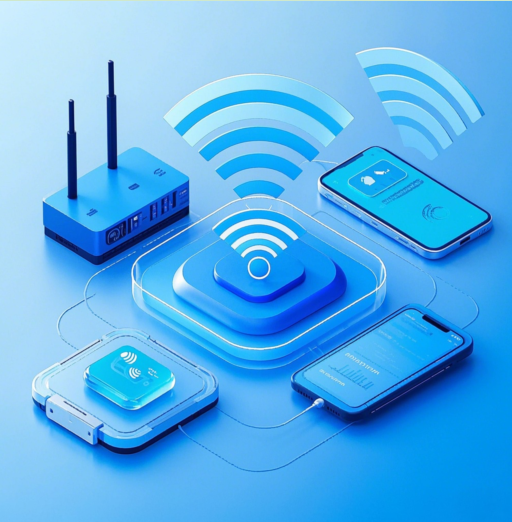
الميزات الرئيسية لـ WiFi 7
يتضمن WiFi 7 عدة ميزات تميزه عن معايير WiFi السابقة. يتم تقديم هذه القدرات بواسطة نظام الراديو الكامل، لكن اختيار الهوائي لا يزال يؤثر على التغطية واستقرار الرابط وما إذا كان النشر يمكنه استخدام النطاقات المقصودة بفعالية.
- إنتاجية نظرية أعلى: يتمتع WiFi 7 بسرعة قصوى نظرية يمكن أن تصل إلى 46 جيجابت في الثانية، مما يدعم الأنشطة عالية الطلب مثل الفيديو عالي الدقة والألعاب ونقل الملفات الكبيرة وأعباء العمل اللاسلكية المؤسسية.
- عرض نطاق ترددي أوسع للقناة: يمكن لـ WiFi 7 استخدام عروض قنوات تصل إلى 320 ميجاهرتز، مما يضاعف أقصى عرض قناة لـ WiFi 6 ويساعد في نقل المزيد من البيانات دفعة واحدة.
- تعديل متقدم: يسمح 4096-QAM لـ WiFi 7 بنقل بتات أكثر لكل رمز مقارنة بالمعايير السابقة التي استخدمت 1024-QAM، مما يحسن معدلات البيانات عندما تكون جودة الإشارة قوية بما يكفي.
- تشغيل متعدد الروابط: يسمح MLO للأجهزة بالاتصال عبر قنوات ونطاقات تردد متعددة، مثل 2.4 جيجاهرتز و5 جيجاهرتز و6 جيجاهرتز، مما يحسن الإنتاجية ويقلل الازدحام.
كيف يعمل هوائي WiFi 7؟
تقوم هوائيات WiFi 7 بإرسال واستقبال إشارات الراديو بين الأجهزة اللاسلكية وأجهزة التوجيه ونقاط الوصول أو معدات الاتصالات الصناعية اللاسلكية. عندما يستقبل الجهاز البيانات، يلتقط الهوائي موجات الراديو ويساعد في تحويلها إلى إشارات كهربائية. عندما يرسل الجهاز البيانات، يساعد الهوائي في تحويل الإشارات الكهربائية مرة أخرى إلى موجات راديو للإرسال.
نظرًا لأن أنظمة WiFi 7 قد تستخدم نطاقات 2.4 جيجاهرتز و5 جيجاهرتز و6 جيجاهرتز، يجب أن يدعم الهوائي نطاق التردد الصحيح. دعم النطاقات المتعددة هو أحد أسباب كون WiFi 7 أسرع وأكثر موثوقية من الأجيال السابقة، ولكن فقط عندما يكون الهوائي والراديو والموصل والكابل والتركيب متطابقين بشكل صحيح.
أنواع هوائيات BBT WiFi 7
توفر BBT ANTENNAS أنواع الهوائيات المستخدمة في WiFi 7 و WiMAX ومشاريع الاتصالات اللاسلكية ذات الصلة. يعتمد المنتج المناسب على نطاق التردد والكسب ونمط الإشعاع وبيئة التركيب وما إذا كان النظام يحتاج إلى تغطية واسعة أو رابط مركز.
- هوائيات قطاعية MiMo 2100-7200 ميجاهرتز: مصممة لتحسين الاتصالات اللاسلكية باستخدام تقنية الإدخال المتعدد والإخراج المتعدد لنقل واستقبال تدفقات بيانات متعددة.
- هوائيات بوقية 4900-7125 ميجاهرتز: مناسبة للتطبيقات الاتجاهية عالية التردد التي تحتاج إلى كسب عالٍ ومسافة إرسال أطول.
- هوائيات شاملة الاتجاهات 2400-7125 ميجاهرتز: تشع الإشارة على نطاق واسع في جميع الاتجاهات وهي مفيدة عندما تكون الأجهزة منتشرة حول الهوائي.
- هوائيات طبقية 2400-6400 ميجاهرتز: توفر كسبًا اتجاهيًا عاليًا لروابط نقطة إلى نقطة طويلة المدى.
- هوائيات لوحية 2400-7125 ميجاهرتز: توفر تغطية مركزة لمنطقة محددة بهيكل مسطح ومضغوط.
- هوائيات CPE 2400-7125 ميجاهرتز: مصممة لمعدات العميل وأجهزة AP أو CPE الخارجية، مع حماية خارجية مثل أداء مقاوم للماء بتصنيف IP حيثما تم تحديده.
تطبيقات WiFi 7 الصناعية والخارجية
توفر BBT ANTENNAS هوائيات B2B قائمة على المشاريع. يمكن أن يظهر الطلب على هوائي WiFi 7 في المصانع والمجمعات التعليمية وأنظمة النطاق العريض الخارجية والأماكن العامة والنقل وإنترنت الأشياء الصناعي والأجهزة اللاسلكية المخصصة.
- تغطية WiFi و WISP الخارجية
- الشبكات اللاسلكية الصناعية وشبكات المصانع
- تغطية المجمعات التعليمية والمستودعات والأماكن
- معدات WiFi 7 المخصصة وتكامل الهوائيات
- مشاريع الاتصالات اللاسلكية عالية التردد 6 جيجاهرتز حيث تكون الهوائيات المتوافقة مطلوبة
خيارات هوائيات BBT WiFi 7 و WiMAX
تدعم BBT ANTENNAS مشاريع WiFi 7 و WiMAX والاتصالات اللاسلكية الخارجية والهوائيات الصناعية. يرجى مراجعة هوائيات OEM WiFi 7 و WiMAX الخاصة بنا، ومشاركة نطاقات التشغيل وعدد منافذ MIMO وهدف الكسب ونوع الموصل ومتطلبات الكابلات وبيئة التركيب حتى نتمكن من مساعدتك في تقييم أفضل الخيارات.
موارد هوائيات BBT ذات الصلة
- مجموعة مصنع هوائيات WiFi 7 و WiMAX
- هوائيات لوحية للتغطية اللاسلكية الاتجاهية
- هوائيات قطاعية للتغطية اللاسلكية الخارجية
- هوائيات بوقية 5G و 6G
الأسئلة الشائعة
هل تحتاج هوائيات WiFi 7 إلى دعم 6 جيجاهرتز؟
تستخدم العديد من أنظمة WiFi 7 نطاق 6 جيجاهرتز، لكن الدعم يعتمد على الجهاز واللوائح الإقليمية. يجب على المشتري تأكيد ما إذا كان النظام يحتاج إلى تغطية هوائي 2.4 جيجاهرتز أو 5 جيجاهرتز أو 6 جيجاهرتز أو متعدد النطاقات.
هل يمكن لهوائي WiFi قديم العمل مع WiFi 7؟
قد يعمل الهوائي الأقدم فقط إذا كان نطاق تردده وموصله ومعاوقته وتكوين MIMO يتطابق مع جهاز WiFi 7. بالنسبة لأنظمة WiFi 7 بتردد 6 جيجاهرتز، فإن العديد من الهوائيات القديمة 2.4/5 جيجاهرتز غير مناسبة.
ما هي المواصفات الأكثر أهمية لهوائي WiFi 7؟
أهم المواصفات هي نطاق التردد والكسب ونمط الإشعاع والاستقطاب وعدد منافذ MIMO ونوع الموصل وفقدان الكابل وتصنيف الاستخدام الداخلي أو الخارجي وطريقة التركيب والتوافق مع معدات WiFi 7.
هل هوائي WiFi 7 مختلف عن هوائي WiFi العادي؟
قد يحتاج هوائي WiFi 7 إلى دعم نطاق أوسع، خاصة لـ 6 جيجاهرتز، ويجب أن يتطابق مع تصميم MIMO لنقطة وصول WiFi 7 أو الجهاز اللاسلكي. يجب اختيار الهوائي وفقًا للمعدات الفعلية وبيئة النشر.
الخلاصة
يجب أن يعتمد اختيار هوائي WiFi 7 على نطاق التردد وتصميم MIMO والكسب والنمط والموصل وفقدان الكابل وبيئة التركيب. بالنسبة لمشاريع B2B اللاسلكية، أفضل هوائي هو الذي يتطابق مع المعدات وخطة النشر، خاصة عندما يكون دعم 6 جيجاهرتز أو التركيب الخارجي مطلوبًا.