
الأنواع الثلاثة الرئيسية لهوائيات DAS هي هوائيات السقف (متعددة الاتجاهات)، وهوائيات التثبيت على الحائط (الموجهة)، والهوائيات الدورية اللوغاريتمية / LPDA (موجهة عريضة النطاق). يخدم كل نوع دورًا مختلفًا في نظام الهوائي الموزع اعتمادًا على منطقة التغطية وتصميم المبنى ومواصفات التردد اللاسلكي للمشروع.
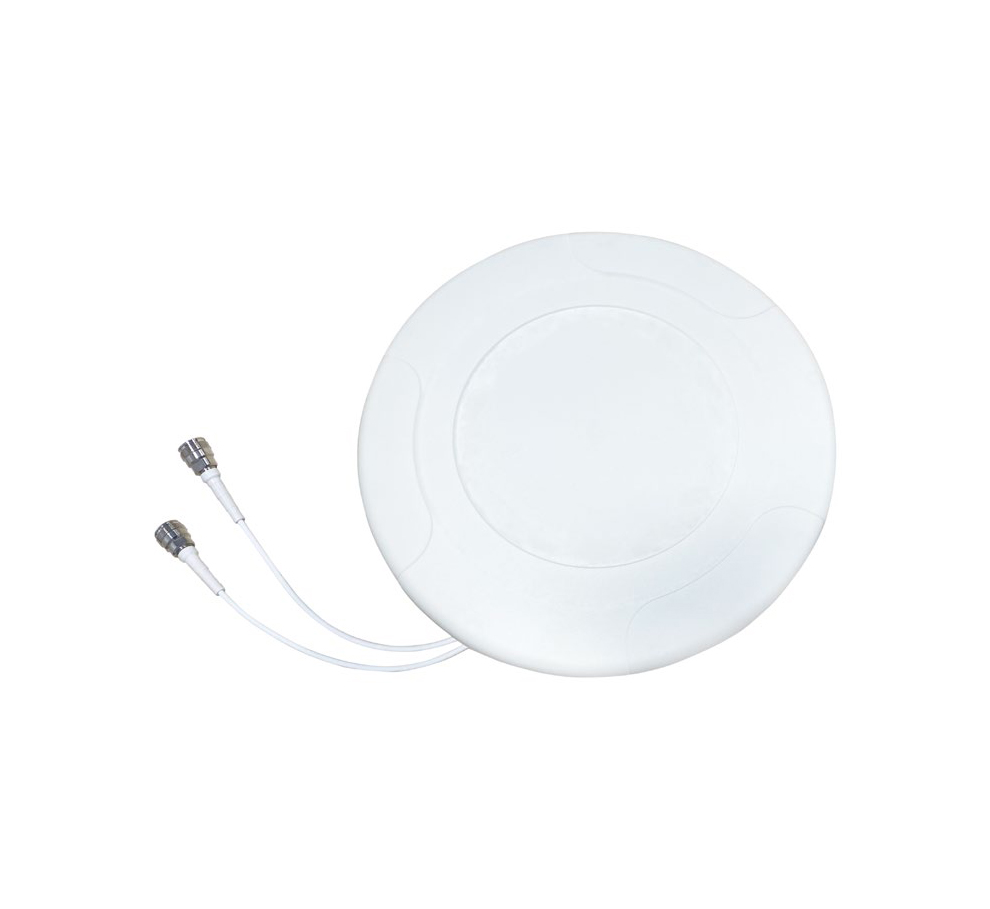
هوائيات السقف
هوائيات السقف DAS هي هوائيات متعددة الاتجاهات يتم تركيبها فوق أو أسفل السقف المعلق لتوزيع الإشارة اللاسلكية بالتساوي عبر منطقة أرضية مفتوحة. ونظرًا لأنها توفر تغطية أفقية بزاوية 360 درجة من نقطة تركيب واحدة، فهي الخيار القياسي لشبكات DAS الداخلية.
تدعم معظم هوائيات السقف DAS التجارية نطاقات تردد من 330 ميجاهرتز إلى 6000 ميجاهرتز. يسمح هذا النطاق الترددي الواسع لها ببث إشارات 4G LTE و 5G NR والإشارات الخلوية القديمة في وقت واحد. بالنسبة لعمليات نشر 5G NR عالية الكثافة، يقدم مصنعو الهوائيات نماذج قادرة على دعم MIMO (2T2R و 4T4R) لزيادة سرعة نقل البيانات.
توفر هوائيات السقف تغطية مثالية في:
- المكاتب ذات المخطط المفتوح ومباني الشركات
- صالات العرض ومراكز التسوق
- أجنحة المستشفيات والمساحات السريرية
- صالات المطارات ومحطات الترانزيت
- ردهات الفنادق وغرف المؤتمرات
عند اختيار هوائي سقف، تحقق من نطاقات التردد التي تتطلبها شركات الاتصالات المحلية، وارتفاع السقف (الذي يحدد نصف قطر التغطية الفعال)، وواجهة الموصل المطلوبة للاتصال بوحدة DAS البعيدة.
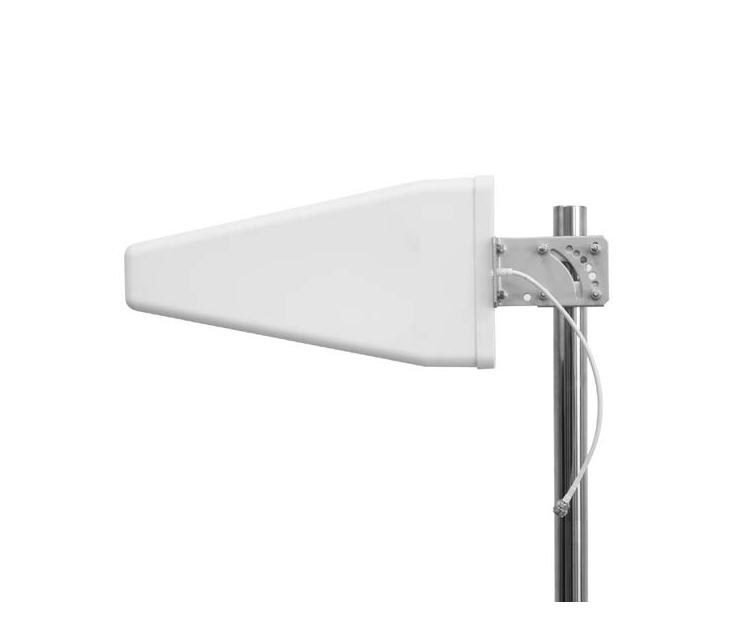
الهوائيات الدورية اللوغاريتمية
هوائيات DAS الدورية اللوغاريتمية (LPDA) هي هوائيات موجهة عريضة النطاق مصممة للحفاظ على كسب ثابت عبر نطاق تردد واسع جدًا. ضمن بنية DAS، تعمل في المقام الأول كهوائيات مانحة لالتقاط إشارات الخلايا الكبيرة الخارجية وتغذيتها في الشبكة الداخلية. وتستخدم أيضًا كتغذية موجهة عالية الكسب داخل الأماكن الضخمة.
يغطي هوائي DAS الدوري اللوغاريتمي القياسي من 617 إلى 6000 ميجاهرتز أو 698 إلى 6000 ميجاهرتز، مما يوفر كسبًا يتراوح بين 10 إلى 11 ديسيبل. يعد نمط الشعاع شديد التركيز هذا مثاليًا عندما يكون مصدر إشارة التردد اللاسلكي في موقع ثابت ومعروف.
يتم نشر الهوائيات الدورية اللوغاريتمية عادة من أجل:
- تطبيقات الهوائي المانح لسحب الإشارات الخارجية إلى الواجهة الأمامية لنظام DAS
- الممرات أو الأنفاق الداخلية الطويلة جدًا التي تتطلب حزمًا موجهة فعالة
- تغطية الملاعب الكبيرة أو المستودعات حيث تقلل الهوائيات عالية الكسب من إجمالي عدد الأجهزة
- المشاريع متعددة النطاقات التي تفضل وحدة واحدة عريضة النطاق على هوائيات متعددة ضيقة النطاق
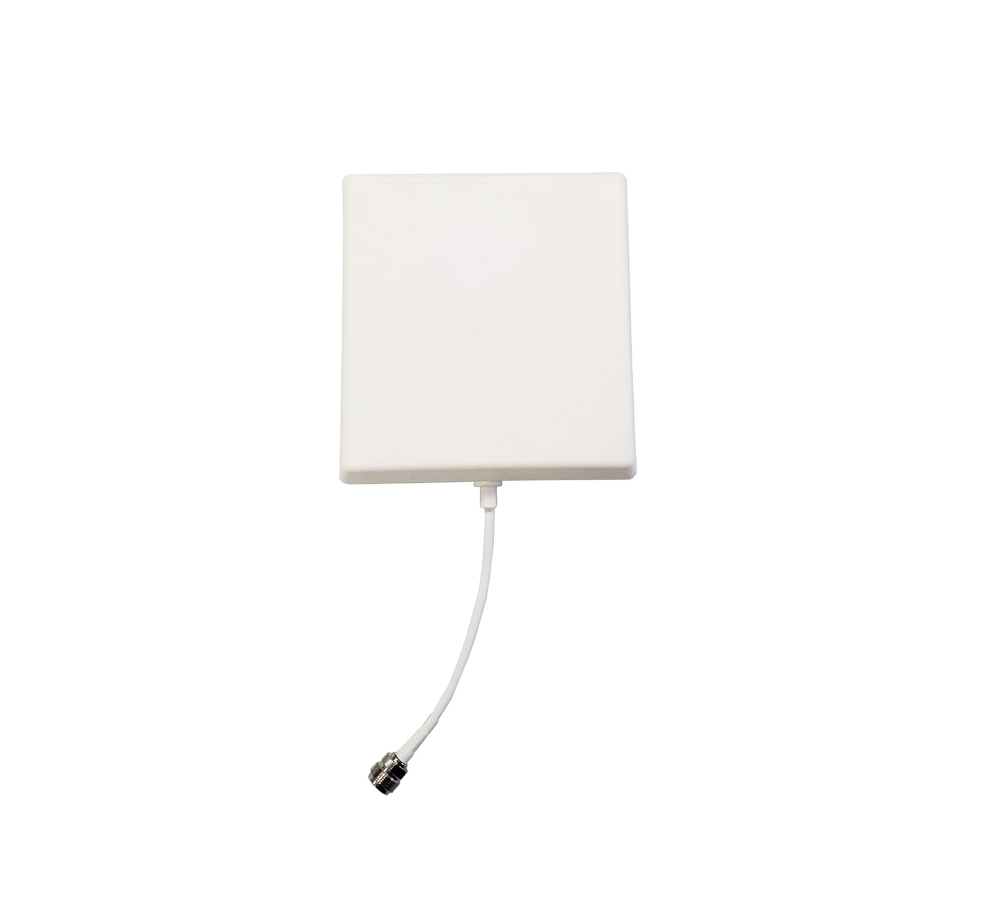
هوائيات التثبيت على الحائط
هوائيات DAS المثبتة على الحائط هي وحدات موجهة يتم تثبيتها بشكل مسطح مقابل الحائط لتوجيه طاقة التردد اللاسلكي على طول مسارات محددة، مثل الممرات أو الأنفاق أو الممرات الداخلية الضيقة. بدلاً من الإشعاع 360 درجة، يركز نمطها الموجه الإشارة في قطاع. يحقق هذا التصميم كسبًا أعلى (عادةً 6 إلى 9 ديسيبل) ويدفع التغطية إلى مسافة أبعد أسفل الممر مقارنة بما يمكن أن تفعله وحدة السقف متعددة الاتجاهات.
مثل نماذج السقف، تغطي هوائيات التثبيت على الحائط الطيف من 330 ميجاهرتز إلى 6000 ميجاهرتز. لدعم سعة 5G في الممرات، يحدد متخصصو تكامل الأنظمة غالبًا هوائيات التثبيت على الحائط 4T4R MIMO.
هوائيات التثبيت على الحائط هي الخيار الأفضل من أجل:
- الممرات والطرق وممرات المشاة
- هياكل وقوف السيارات متعددة المستويات والطوابق السفلية تحت الأرض
- السلالم وممرات المصاعد
- طوابق التصنيع ومراكز التوزيع ذات الأسقف العالية
- مترو الأنفاق وأنفاق المركبات
كيفية اختيار نوع هوائي DAS
| العامل | سقف متعدد الاتجاهات | تثبيت على الحائط موجه | دوري لوغاريتمي / LPDA |
|---|---|---|---|
| نمط التغطية | 360° أفقي | قطاع / موجه | موجه، شعاع ضيق |
| الكسب النموذجي | 3-6 ديسيبل | 6-9 ديسيبل | 10-11 ديسيبل |
| الاستخدام الأساسي في DAS | المناطق الأرضية المفتوحة | الممرات، الأنفاق | هوائي مانح، تغذية طويلة المدى |
| دعم MIMO | نماذج 2T2R، 4T4R | نماذج 4T4R | عادة بمنفذ واحد |
| التركيب | بلاط السقف، سطح | قوس حائط | عمود أو حائط |
عند التخطيط لتخطيط DAS، حدد المناطق المفتوحة التي تتطلب هوائيات سقف، والممرات التي تحتاج إلى وحدات تثبيت على الحائط، ومواقع المانحين التي تتطلب هوائيات دورية لوغاريتمية. بعد ذلك، تأكد من أن النماذج المحددة تدعم نطاقات 4G و 5G المحددة التي تتطلبها شركات الاتصالات.
توريد هوائيات DAS من شركة مصنعة
يضمن التوريد مباشرة من الشركة المصنعة لهوائيات DAS الأصلية (OEM) أن مشروعك يتلقى مكونات مبنية لتفاوتات التردد اللاسلكي الدقيقة. يسمح التوريد المباشر من المصنع لمتخصصي تكامل الأنظمة بتأمين نطاقات التردد الدقيقة ومستويات الكسب وأنواع الموصلات المطلوبة دون الاعتماد على التنازلات الجاهزة. يمكن لشركة مصنعة واحدة توفير وحدات السقف والتثبيت على الحائط و LPDA للحفاظ على جماليات الأجهزة وأداء التردد اللاسلكي متسقًا عبر المبنى بأكمله.
إذا كان النشر يحتوي على متطلبات ميكانيكية صارمة، مثل أقواس التركيب المتخصصة أو مواد غطاء هوائي (radome) معينة للامتثال لقواعد الحريق، فيمكن لشركة مصنعة مخصصة تخصيص الهوائيات لتناسب البيئة.