
تخبرك قراءة VSWR الجيدة أن منفذ الهوائي متوافق جيدًا مع خط التغذية. هذا مفيد، ولكنه ليس سوى جزء من الصورة. لا يوضح VSWR ما إذا كان الهوائي يرسل الطاقة بالفعل في الاتجاه الصحيح، وبالقوة المناسبة، عبر منطقة التغطية التي تحتاجها. للإجابة على هذه الأسئلة، تحتاج إلى قياسات إشعاع مأخوذة في بيئة خاضعة للرقابة. وهنا يأتي دور غرفتنا عديمة الصدى للموجات الدقيقة.
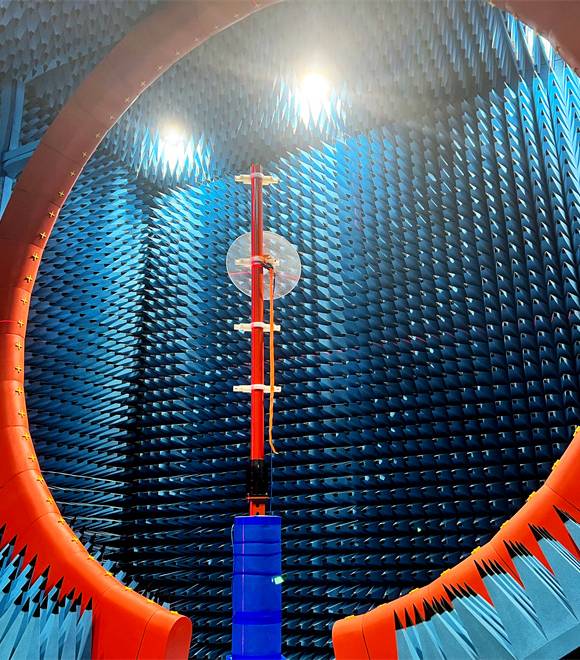
ما هي الغرفة عديمة الصدى للموجات الدقيقة؟
الغرفة عديمة الصدى للموجات الدقيقة هي غرفة محمية تصطف جدرانها وأرضيتها وسقفها بمادة ماصة للترددات اللاسلكية. تقلل المواد الماصة الانعكاسات من أسطح الغرفة، ويحجب التدريع تداخل الترددات اللاسلكية الخارجي. تعمل هذه الميزات معًا على إنشاء بيئة قياس خاضعة للرقابة تقترب من ظروف المساحة الحرة.
داخل الغرفة، يتم تركيب الهوائي قيد الاختبار (AUT) على وحدة تحديد المواقع. يقوم هوائي مرجعي في الطرف المقابل بإرسال أو استقبال إشارة معروفة. من خلال تدوير AUT وتسجيل الطاقة المستقبلة عند كل زاوية، ينتج النظام نمط إشعاع وقياس كسب سيكون من الصعب الحصول عليهما بشكل موثوق في بيئة مفتوحة بها انعكاسات ومسارات متعددة ومصادر تداخل قريبة.
كيف تختبر BBT ANTENNAS الهوائيات
تتبع عملية اختبار الهوائي لدينا ثلاث مراحل. الهدف في كل مرحلة هو مقارنة القياسات الحقيقية مقابل متطلبات الترددات اللاسلكية التي اتفق عليها الجانبان في بداية المشروع.
- مراجعة متطلبات الترددات اللاسلكية والميكانيكية المتفق عليها. قبل أي قياس، نؤكد نطاقات التردد المستهدفة، والكسب، وشكل نمط الإشعاع، وحد VSWR، ونوع الموصل، والقيود الميكانيكية مع المشتري. تصبح هذه الأهداف المتفق عليها مرجع النجاح/الفشل للاختبار.
- فحص VSWR / S11 باستخدام VNA، ثم قياس الكسب ونمط الإشعاع في الغرفة. يتم فحص VSWR وفقد العودة باستخدام محلل شبكة متجه (VNA)، والذي يخبرنا بمدى توافق منفذ الهوائي مع خط التغذية عبر نطاق التشغيل. ثم يتم قياس الكسب ونمط الإشعاع داخل الغرفة عديمة الصدى للموجات الدقيقة. يؤثر موضع تركيب AUT، والتوجيه، وإعداد التثبيت جميعًا على النتائج، لذلك قمنا بتعيينها لتتطابق مع حالة التثبيت المقصودة بأكبر قدر ممكن من الناحية العملية.
- مقارنة العينة بالأهداف المتفق عليها ومراجعة ما إذا كان التعديل مطلوبًا. نقارن بيانات VSWR والكسب والنمط المُقاسة مقابل المتطلبات من المرحلة الأولى. إذا كان أحد المعلمات خارج الهدف، يراجع الفريق الهندسي ما إذا كان تعديل تصميم الهوائي، أو تغيير التثبيت، أو إعادة الاختبار مطلوبًا قبل انتقال المشروع إلى المرحلة التالية.
ما تخبر به نتائج الاختبار مشتري OEM أو ODM
كل قياس يجيب على سؤال مختلف حول أداء الهوائي. يلخص الجدول أدناه القياسات الثلاثة التي توفرها BBT ANTENNAS وسبب أهمية كل منها لاتخاذ قرار المشروع.
| القياس | ما يظهره | سبب أهميته |
|---|---|---|
| VSWR / فقد العودة | مدى توافق منفذ الهوائي مع خط التغذية عبر نطاق التشغيل. يعني VSWR المنخفض انعكاس إشارة أقل للوراء. | تؤدي مطابقة المنفذ السيئة إلى إهدار طاقة الإرسال ويمكن أن تؤدي إلى تدهور حساسية جهاز الاستقبال. VSWR هو مؤشر على مستوى المنفذ ولا يصف كيف يشع الهوائي. |
| الكسب | مقدار قوة الإشارة التي يضيفها (أو يفقدها) الهوائي في اتجاه ذروته مقارنةً بالمرجع. | الكسب determines whether the antenna can deliver the link budget your system needs at the required distance. Measured in the chamber to remove environmental interference. |
| نمط الإشعاع | كيف يوزع الهوائي الطاقة المشعة في الفضاء، وتظهر عادةً كمخطط قطبي أو مستطيل عبر زوايا السمت والارتفاع. | يوضح النمط ما إذا كانت التغطية تتطابق مع سيناريو التثبيت الخاص بك: واسع للتطبيقات متعددة الاتجاهات، أو ضيق للروابط من نقطة إلى نقطة، أو مشكل لتغطية القطاع. |
VSWR confirms that the signal enters the antenna efficiently. الكسب and radiation pattern confirm that the signal leaves the antenna in the right direction and at the right strength. A complete evaluation needs both sides of that picture.
لماذا لا يكفي VSWR وحده
يجيب VSWR على سؤال واحد: ما مقدار إشارة الإدخال التي تدخل الهوائي مقابل المقدار الذي ينعكس للخلف. إنه قياس مطابقة المنفذ. لا يخبرك إلى أين تذهب الطاقة بعد دخولها الهوائي، أو كم منها يصل إلى منطقة التغطية المقصودة.
يمكن أن يظهر الهوائي VSWR أقل من 1.5:1 عبر نطاق التشغيل ولا يزال يوفر كسبًا منخفضًا أو نمطًا يشير إلى الاتجاه الخاطئ. قد تُمتص الطاقة في الخسائر، أو تُشع في اتجاه غير مرغوب فيه، أو تنتشر على نطاق واسع بحيث لا تكون مفيدة. بدون قياس الكسب ونمط الإشعاع من بيئة غرفة خاضعة للرقابة، يمكن أن تعطي نتيجة VSWR الناجحة ثقة زائفة في تصميم لا يعمل في الواقع.
لهذا السبب يتضمن نظام اختبار الهوائي الخاص بنا كلاً من فحوصات مستوى المنفذ (VSWR/S11 على VNA) وقياسات الإشعاع (الكسب والنمط في الغرفة عديمة الصدى). معًا، فإنها تعطي صورة أكثر اكتمالاً عما إذا كان الهوائي يفي بمتطلبات المشروع.
كيف تدعم بيانات الاختبار التطوير المخصص للهوائيات
بالنسبة لمشاريع الهوائيات OEM و ODM والمخصصة، تلعب بيانات اختبار الغرفة دورًا محددًا في مرحلة تقييم العينة.
- تأكيد المتطلبات. قبل الاختبار، يتفق الجانبان على أهداف الترددات اللاسلكية: النطاقات والكسب وشكل النمط وحدود VSWR. ثم تتم مقارنة بيانات الاختبار مباشرة مقابل هذه الأهداف.
- مقارنة العينة. إذا فشلت عينة النموذج الأولي في تحقيق الكسب أو أظهرت شكل نمط غير متوقع، تساعد البيانات الفريق الهندسي في تحديد أين يحتاج التصميم إلى التعديل. بدلاً من التخمين، يمكن للفريق العمل بناءً على أدلة مُقاسة.
- مراجعة التصميم قبل الإنتاج. يعد تعديل تصميم الهوائي في مرحلة النموذج الأولي أقل تكلفة بكثير من اكتشاف مشكلة في الأداء بعد الإنتاج الضخم. يوفر اختبار الغرفة نقطة تفتيش بين الموافقة على العينة والإنتاج الضخم.
لا يتبع كل مشروع تسلسل اختبار متطابقًا. يعتمد نطاق الاختبار على ما تم الاتفاق عليه لكل مشروع. لإلقاء نظرة فاحصة على كيفية تعامل BBT ANTENNAS مع مشاريع الهوائيات المخصصة من المتطلبات إلى التسليم، راجع تصميم الهوائيات المخصصة وخدمات OEM/ODM صفحة. لمعرفة تفاصيل المصنع والجودة والإنتاج، راجع قدرات تصنيع الهوائيات.
ما يجب إرساله لاختبار الهوائي أو مشروع مخصص
إذا كنت تستعد لمناقشة اختبار هوائي، أو تصميم مخصص، أو مشروع OEM/ODM، فإن تجهيز التفاصيل التالية سيساعدنا في إعطائك استجابة واضحة ومحددة:
- ▪ نطاقات التشغيل (نطاق التردد أو قنوات محددة)
- ▪ الكسب المستهدف (dBi، مع الاتجاه إن وجد)
- ▪ التغطية أو نمط الإشعاع المطلوب (متعدد الاتجاهات، قطاع، موجه، أو عرض شعاع محدد)
- ▪ أبعاد الهوائي (قيود الحجم أو عامل الشكل)
- ▪ موصل وكابل (النوع والطول والموضع)
- ▪ حالة التثبيت (عمود أو حائط أو سقف أو PCB أو حاوية)
- ▪ بيئة التثبيت (داخلي، خارجي، مركبة، صناعي، بحري)
- ▪ الكمية المتوقعة (عينة، أو تشغيل تجريبي، أو حجم الإنتاج)
كلما اكتملت إدخالاتك، كلما تمكنا بشكل أسرع من تأكيد ما إذا كان التصميم الحالي مناسبًا أم أن هناك حاجة لتصميم جديد، وما هي الاختبارات التي سيتم تضمينها.
الأسئلة المتداولة
ما الغرض من استخدام الغرفة عديمة الصدى للموجات الدقيقة؟
الغرفة عديمة الصدى للموجات الدقيقة هي غرفة محمية مبطنة بمادة ماصة للترددات اللاسلكية. يقلل من الانعكاسات ويمنع التداخل الخارجي حتى يمكن أخذ قياسات الهوائي مثل الكسب ونمط الإشعاع في بيئة خاضعة للرقابة تقترب من ظروف المساحة الحرة.
ما هي قياسات الهوائيات التي يمكن أن توفرها BBT ANTENNAS؟
BBT ANTENNAS measures VSWR and return loss with a vector network analyzer, and measures gain and radiation pattern in the company's in-house microwave anechoic chamber. These three measurements cover port matching, signal strength in the intended direction, and how energy distributes around the antenna.
هل اختبار الغرفة عديمة الصدى هو نفس اختبار امتثال EMI/EMC؟
لا. يركز اختبار الهوائي في الغرفة عديمة الصدى على أداء الترددات اللاسلكية المقصود: الكسب ونمط الإشعاع ومطابقة المنفذ. يركز اختبار امتثال EMI/EMC على الانبعاثات غير المقصودة والمناعة ضد التداخل الخارجي. يخدم كلاهما أغراضًا مختلفة ويتبعان إجراءات مختلفة.
لماذا لا يكفي اختبار VSWR بمفرده؟
يُظهر VSWR مدى توافق منفذ الهوائي مع خط التغذية، لكنه لا يكشف كيف يشع الهوائي الطاقة في الفضاء. يمكن أن يُظهر الهوائي نسبة VSWR جيدة بينما يعطي كسبًا منخفضًا أو نمط إشعاع غير قابل للاستخدام. تملأ قياسات الإشعاع القائمة على الغرفة هذه الفجوة.
كيف يدعم اختبار الغرفة مشروع هوائي OEM أو ODM؟
يتيح اختبار الغرفة للفريق الهندسي مقارنة عينة نموذج أولي بالأهداف المتفق عليها للترددات اللاسلكية قبل الإنتاج. إذا انخفض الكسب أو النمط أو VSWR خارج المتطلبات، فيمكن تعديل التصميم وإعادة اختباره. تقلل خطوة التحقق هذه من خطر اكتشاف مشكلات الأداء بعد بدء الإنتاج الضخم.
ناقش متطلبات اختبار الهوائي الخاص بك
أرسل إلينا نطاقات التشغيل الخاصة بك، والكسب المستهدف، ونمط الإشعاع أو متطلبات التغطية، وأبعاد الهوائي، والموصل، وبيئة التثبيت، والكمية المتوقعة. سنقوم بتأكيد نطاق الاختبار والخطوات التالية لمشروعك.
أرسل متطلبات الهوائي الخاص بك